Lasius Fulginosus
A parasite of a parasite – Experienced (requires Lasius umbratus hosts)
PLEASE NOTE: When we refer to the number of workers in the product options, this could include fulginosus workers or umbratus/ niger workers, or a mix of both, depending on colony stage and takeover success.
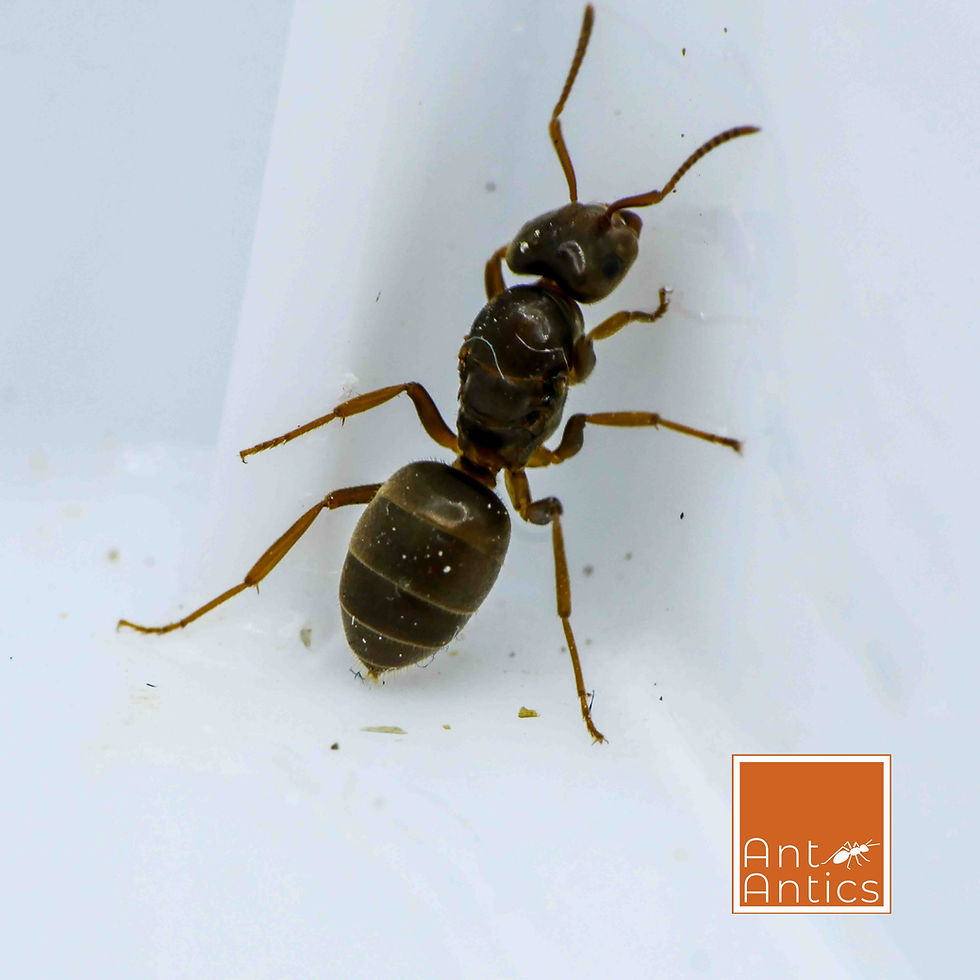
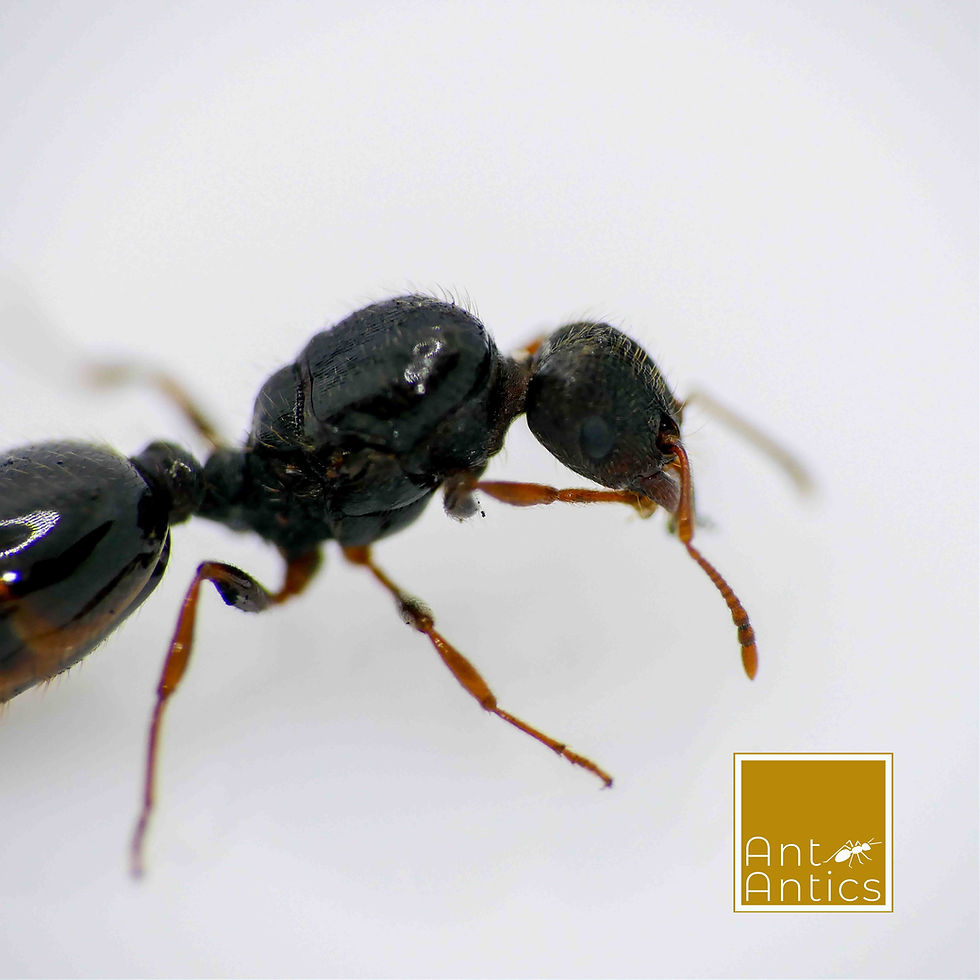
Lasius fulginosus is one of the most fascinating species of ant in the UK. Almost identical in appearance to Lasius umbratus, they are slightly darker in colour and extremely rare to come across in the wild. What makes them so interesting is their unique method of founding: they don’t just parasitise other ants… they parasitise a parasitic species.
Instead of infiltrating Lasius niger colonies like umbratus do, Lasius fulginosus queens only target established Lasius umbratus colonies. This means they are two steps removed from a wild founding - needing a niger colony to host umbratus, and then an umbratus colony to be taken over by fulginosus.
Fulginosus queens follow a similar strategy to umbratus: after their own nuptial flights, they must locate a small, vulnerable umbratus colony, adopt its scent through repeated attacks, and then sneak inside to kill the resident queen and take her place.
The takeover is subtle, slow and high risk. If successful, she will be accepted by the workers, lay her own eggs, and eventually the entire colony will transition to fulginosus workers.
This double-parasite behaviour is extremely rare and makes fulginosus colonies incredibly valuable to keepers. However, because of their unusual dependency chain, they are not recommended for beginners unless already established.
In the wild, these ants also live underground and remain unseen by most. Their feeding habits mirror umbratus – tending subterranean aphids and hunting soil-dwelling insects for protein.
Lasius fulginosus are a rewarding species with a remarkable origin story. If you have access to host umbratus colonies or are offered an established fulginosus colony, you’re looking at one of the most unique ant species in the UK hobby.
Colony Size
5,000 – 8,000 workersQueen
Age Up to 16 years
Monogyne – one queen per nest (although poly has been observed under high stress environmental conditions.)
Social Parasite – parasitises Lasius umbratus onlyTemperature
Room Temperature 21 to 24 degreesHibernation
October to March at 5 to 8 degreesPolymorphic (Different size casts)
NoSting | Bite | Spray
NoDiet
Insects, Sugars, CarbsNest Type
Acrylic, Sand, Earth, Ytong, Plaster, GlassSize
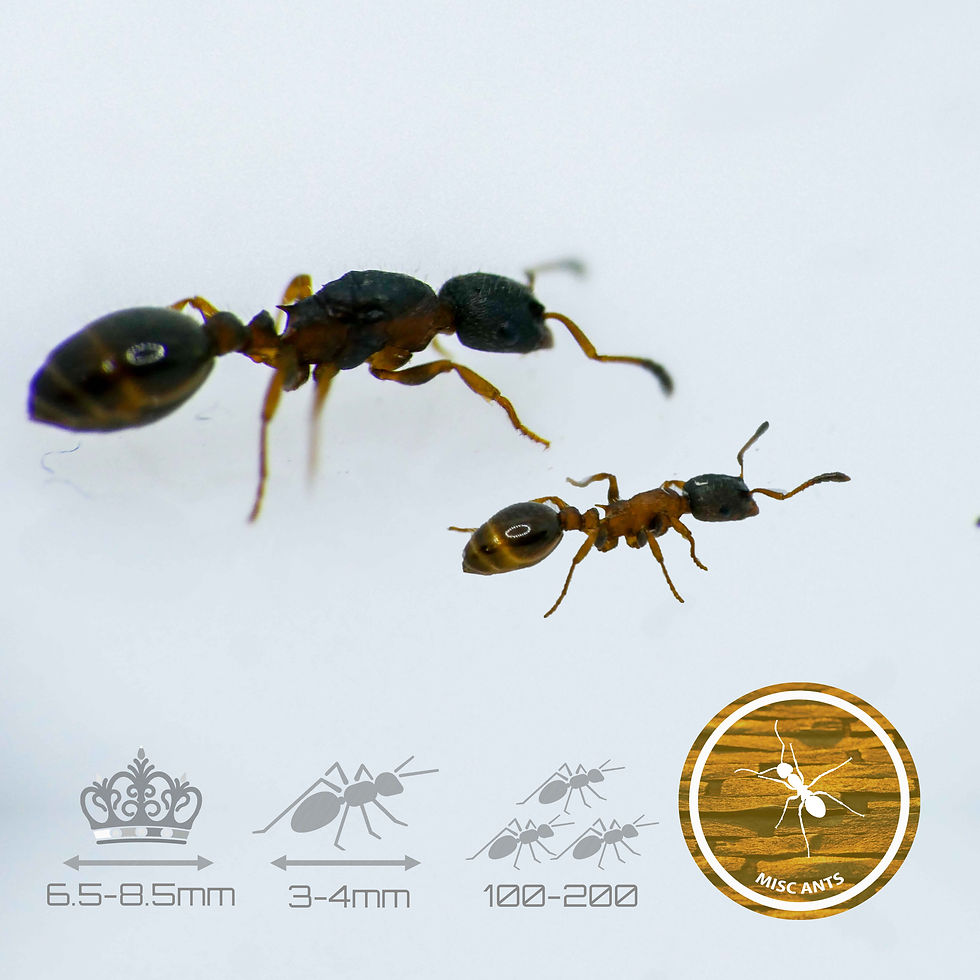
Queen – 7mm–8mm
Worker – 3mm–5mmDevelopment
Egg to Adult Worker – 5 to 6 weeks
top of page

pet ants, done right.
morgrug anwes, y gofal gorau.
From £29.99Sale Price
0/30
Coming Soon
Accessories & Decoration


Related Products







bottom of page